When it comes to weight loss, many women turn to restrictive diets or drastic calorie cuts in an effort to shed pounds quickly. However, sustainable weight loss is more about balancing the right nutrients—proteins, fats, and carbohydrates (macros)—and creating a plan that suits your body’s needs. Understanding and tracking your macronutrients can be a game-changer, ensuring you lose fat without sacrificing muscle or compromising your health. Here are the top best macros for weight loss female.
Prioritize Protein for Muscle Retention
Protein plays a crucial role in weight loss for women, particularly in preserving lean muscle mass while burning fat. When you lose weight, the goal is to shed fat, not muscle. Consuming an adequate amount of protein ensures that your body burns fat, not muscle, during your weight loss journey.
For most women aiming for weight loss, 30-35% of total calories should come from protein. High-protein foods such as lean meats, eggs, tofu, legumes, and dairy help with muscle repair, curb hunger, and increase the thermic effect of food (TEF), meaning your body burns more calories to digest and absorb protein compared to fats or carbs.
Choose Quality Carbs for Sustainable Energy
Carbohydrates often get a bad reputation in weight loss circles, but they are essential for providing energy, especially when you’re active. The key is to focus on complex carbohydrates, which provide steady energy, unlike simple sugars that lead to blood sugar spikes and crashes.
Women should aim for 35-40% of total calories from carbs. Focus on whole grains, vegetables, fruits, and legumes. These foods are rich in fiber, which not only aids digestion but also helps keep you feeling fuller for longer, reducing overeating. Additionally, carbohydrates fuel workouts, so ensuring adequate intake is vital for maintaining workout intensity and performance.
Don’t Skip Healthy Fats
Healthy fats are often misunderstood, but they are crucial for hormone production, cellular function, and overall health. Consuming the right fats can also help you feel satisfied and prevent cravings, making it easier to stick to your weight loss plan.
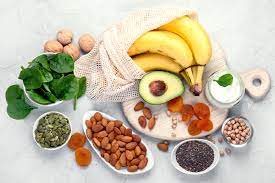
Aim for 25-30% of total calories from healthy fats. Include sources of unsaturated fats like avocados, olive oil, nuts, seeds, and fatty fish such as salmon. These fats provide essential omega-3 fatty acids that support brain function, reduce inflammation, and help regulate fat metabolism.
Adjust Macros Based on Activity Level
Women with higher activity levels, such as those who engage in regular exercise, may require slightly more carbohydrates to fuel their workouts and promote recovery. If you’re more sedentary, your carb intake may need to be lower, but it’s still important not to eliminate them entirely. It’s about finding a balance that works for your lifestyle.
Track and Adjust Over Time
Tracking macros isn’t about being overly rigid—it’s about finding the right balance for your body. Once you’ve calculated your macronutrient needs, track your intake and monitor your progress. If you’re losing weight too quickly or feeling fatigued, you may need to adjust your macros. Likewise, if weight loss stalls, slight adjustments can reignite progress.
Conclusion
Achieving weight loss is about more than simply cutting calories—it’s about providing your body with the right nutrients to support fat loss while maintaining lean muscle. By following these macro guidelines—prioritizing protein, focusing on quality carbs, and incorporating healthy fats—you create a sustainable, balanced approach to weight loss. By tailoring your macronutrient intake to your personal goals and activity level, you set the foundation for lasting results and improved overall health.