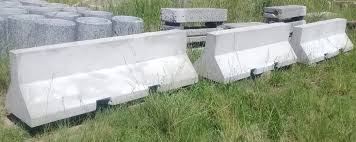
New Jersey anti-terrorism barriers (barriere New Jersey antiterrorismo) are specially engineered security structures designed to protect people, property, and public infrastructure from vehicle-based threats. Constructed from reinforced concrete and high-strength materials, these barriers can withstand high-impact collisions and prevent unauthorized vehicle access to restricted zones. Their design focuses on absorbing and dispersing the force of an impact, reducing potential damage and safeguarding sensitive or high-traffic areas.
Why Are Anti-Terrorism Barriers Important in New Jersey?
With its growing urban centers and public facilities, New Jersey requires effective security solutions that prioritize safety without hindering accessibility. Anti-terrorism barriers provide a vital layer of defense in environments such as government buildings, transportation hubs, and commercial areas. They play an essential role in mitigating the risks posed by accidental or intentional vehicle intrusions. These barriers not only protect people but also ensure that public spaces remain secure and functional, contributing to the overall resilience of New Jersey’s infrastructure.
How Do Anti-Terrorism Barriers Enhance Security?
The effectiveness of anti-terrorism barriers lies in their structural engineering and strategic placement. When a vehicle collides with a barrier, its energy is redirected or absorbed, preventing it from breaching the protected area. Modern barriers are designed to perform reliably under different impact conditions, offering a strong deterrent against potential threats. In addition to physical protection, their presence also enhances psychological security, reassuring both the public and authorities that safety measures are in place.
Where Are These Barriers Commonly Installed?
Anti-terrorism barriers are widely installed across various sectors in New Jersey. They are commonly found around public institutions, airports, military facilities, and civic spaces. In urban settings, they are placed along pedestrian zones, event venues, and commercial districts to control vehicle access. Their flexibility allows them to be used as either permanent fixtures or temporary setups, depending on the level of threat and the nature of the location. This versatility makes them suitable for both everyday protection and special security operations.
What Are the Benefits of Using These Barriers?
Anti-terrorism barriers offer numerous benefits beyond their primary function of protection. They are highly durable, weather-resistant, and require minimal maintenance. Their customizable design allows them to blend seamlessly into urban landscapes, maintaining the visual appeal of public spaces. Some models can also incorporate additional features such as lighting, planters, or signage to enhance functionality and aesthetics. This combination of practicality and strength makes them a preferred solution for modern security planning.
Conclusion
Strengthening security with anti-terrorism barriers is a proactive step toward building safer communities in New Jersey. These barriers provide unmatched protection, durability, and versatility, making them an integral part of public safety and infrastructure defense. By incorporating such advanced security measures, New Jersey continues to promote a safe, resilient, and well-protected environment for all.