Keeping your fire alarm system in top condition is not just a safety precaution—it’s a legal requirement. Proper fire alarm maintenance ensures your system functions correctly when you need it most and helps you stay compliant with safety regulations. Here are some frequently asked questions about maintaining your fire alarm system.
How often should I test my fire alarm system?
Regular testing is crucial. Weekly tests are recommended to check that the system is operational. This usually involves activating a manual call point to ensure the alarm sounds and the control panel receives the signal. Monthly tests should be more thorough, checking backup power supplies. It’s a good practice to log all tests, noting the date, time, and any issues found.
What do professional inspections involve?
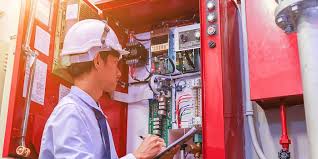
While you can perform weekly and monthly checks, a professional inspection is necessary for comprehensive maintenance. A certified technician should conduct a full system inspection at least annually, or more frequently depending on local regulations and the complexity of your system. During this inspection, they will:
Check every detector for functionality.
Test control panel functions and indicators.
Verify alarm signals are correctly transmitted to monitoring centers.
Inspect wiring and connections for any signs of wear or damage.
Why is keeping a logbook so important?
A detailed logbook is essential for compliance. It serves as a legal record of all maintenance activities, tests, and inspections performed on your fire alarm system. Should an incident occur, this logbook provides evidence that you have fulfilled your safety responsibilities. Your log should include:
Dates of all tests and inspections.
Names of the individuals who performed them.
Any faults or issues discovered.
Details of corrective actions taken.
What are common causes of fire alarm failures?
Understanding common failure points can help you prevent them. Some frequent issues include:
Dust and Debris: Dirt can accumulate on smoke detectors, affecting their sensitivity. Regular cleaning is essential.
Power Supply Issues: Both the main and backup power supplies must be reliable. Power surges or failing batteries can disable the system.
Outdated Components: Like any technology, fire alarm components age. Detectors and panels have a limited lifespan and should be replaced according to the manufacturer’s recommendations.
Improper Modifications: Changes to the building layout or wiring without updating the fire alarm system can create blind spots and compliance issues.
Who is responsible for fire alarm maintenance?
Ultimately, the building owner or designated ‘Responsible Person’ is legally accountable for ensuring the fire alarm system is maintained and compliant. This responsibility includes arranging regular tests, scheduling professional inspections, and keeping accurate records. By staying proactive with maintenance, you not only ensure compliance but also create a safer environment for everyone.