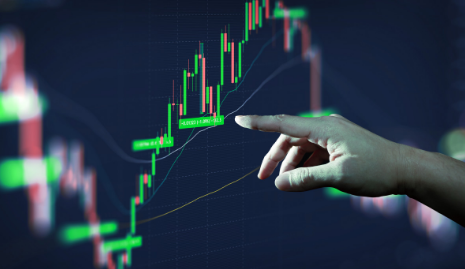
Forex indicators are tools that help traders interpret market data and identify trading opportunities. Professionals rely on them to analyze price trends, momentum, and volatility, transforming raw market movements into actionable insights. By using indicators strategically, best trading indicators forex can make informed decisions, improve timing, and reduce uncertainty in volatile currency markets.
Which trend indicators are most trusted by professional traders?
Trend indicators are essential for understanding the market’s direction. Moving averages, for example, help traders spot upward or downward trends and confirm entry or exit points. Professionals often combine short-term and long-term moving averages to filter out market noise and detect consistent patterns. The Average Directional Index (ADX) is another tool widely used to measure the strength of a trend, helping traders distinguish between strong and weak market movements.
How do momentum indicators guide trading decisions?
Momentum indicators evaluate the speed of price changes and are crucial for timing trades. The Relative Strength Index (RSI) signals overbought or oversold conditions, allowing traders to anticipate reversals. Another popular tool, the Moving Average Convergence Divergence (MACD), highlights changes in momentum and potential trend shifts. By combining momentum indicators with trend analysis, professionals can refine entry and exit strategies and identify high-probability trades.
What role do volatility indicators play in Forex trading?
Volatility indicators measure market fluctuations, helping traders manage risk and plan strategy. Bollinger Bands, for instance, show periods of expansion or contraction in price movements. When bands widen, volatility is high, signaling potential breakouts, whereas narrow bands indicate market consolidation. Understanding volatility patterns allows traders to adjust their positions and avoid entering trades during uncertain market phases.
Why do professionals combine multiple indicators?
No single indicator provides a complete picture of the market. Professionals often use a combination of trend, momentum, and volatility indicators to validate signals and reduce false positives. For example, a trader might confirm an RSI signal with a moving average crossover before executing a trade. This multi-layered approach ensures higher confidence in trading decisions and a better understanding of market dynamics.
Can indicators guarantee success in Forex trading?
While indicators enhance decision-making, they are not foolproof. Market conditions can change rapidly, and indicators may produce conflicting signals. Professionals use them as part of a broader strategy that includes risk management, discipline, and continuous market monitoring. Indicators provide a statistical edge but require experience and judgment to apply effectively.
Conclusion
Professional traders rely on trend, momentum, and volatility indicators to navigate Forex markets. These tools offer insights into market behavior, improve timing, and support risk management. When used thoughtfully in combination, indicators are powerful assets for making informed trading decisions and achieving consistent results in dynamic currency markets.