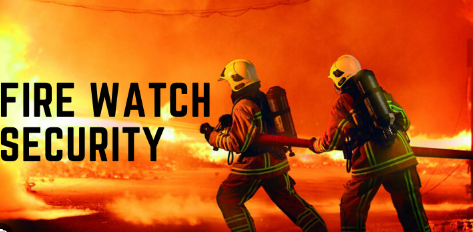
A fire watch guard is a trained professional responsible for monitoring areas with elevated fire risks, such as construction sites, industrial plants, and chemical storage facilities. Their primary function is to identify potential hazards, take immediate action to prevent fire outbreaks, and ensure the safety of employees and property. By providing proactive oversight, Fire Watch Guards help reduce the likelihood of costly and dangerous fire incidents.
Why are fire watch guards essential in high-risk workplaces?
Workplace fires can cause injuries, fatalities, and significant property damage. Statistics suggest that workplaces with trained fire watch personnel experience up to 50% fewer fire incidents in high-risk operations. Human vigilance adds an essential layer of prevention that automated systems alone cannot provide, catching hazards early and responding instantly to emerging risks.
Can you share examples of fire watch guards preventing major incidents?
Yes, numerous real-life instances highlight the effectiveness of fire watch guards:
Construction Welding Incident: On a large urban construction site, a welding crew accidentally created sparks near a stack of flammable insulation materials. A fire watch guard noticed the sparks immediately, moved the materials to a safer location, and used a fire extinguisher to prevent ignition. Without the guard’s quick response, the sparks could have led to a fire causing extensive property damage and delays.
Industrial Plant Chemical Spill: In an industrial plant storing flammable liquids, a leak occurred in a containment area. A fire watch guard detected unusual smoke and temperature increases, quickly isolating the area and alerting the emergency response team. The incident was contained without fire escalation, avoiding potential injuries and millions in damages.
Electrical Room Overheat: At a manufacturing facility, equipment in an electrical room began overheating due to a malfunction. A fire watch guard noticed the rising temperature and unusual noise, shutting down the equipment and alerting technicians. The proactive monitoring prevented a potential electrical fire that could have affected the entire plant.
How do fire watch guards complement other safety measures?
While fire alarms, sprinklers, and detectors are crucial, they often respond only after a fire has started. Fire watch guards provide real-time, human oversight, identifying hazards before ignition occurs. They coordinate with safety teams, monitor equipment, and ensure that preventive measures are continuously followed, enhancing overall workplace safety.
What best practices do successful fire watch guards follow?
Continuous Vigilance: Constant observation of high-risk zones to detect early signs of fire hazards.
Rapid Response: Immediate action when sparks, smoke, or heat is detected.
Effective Communication: Coordinating with supervisors and emergency personnel for swift action.
Documentation: Maintaining detailed records of hazards and preventive steps to improve safety protocols.
Equipment Awareness: Regular checks of fire extinguishers, alarms, and hoses to ensure readiness.
Are fire watch guards effective during off-hours?
Absolutely. Fire risks are present at all times, including nights, weekends, and holidays. Guards provide continuous monitoring, ensuring safety when fewer staff members are on-site, which is often when risks are higher due to reduced oversight.
Conclusion
Real-life examples show that fire watch guards are more than a safety measure—they are a critical component of proactive risk management. Their vigilance, quick decision-making, and coordination with safety teams prevent potential disasters, protect employees, and save property. For businesses in high-risk environments, investing in trained fire watch personnel is not only a precaution—it is a proven strategy for preventing fire-related incidents and ensuring operational continuity.