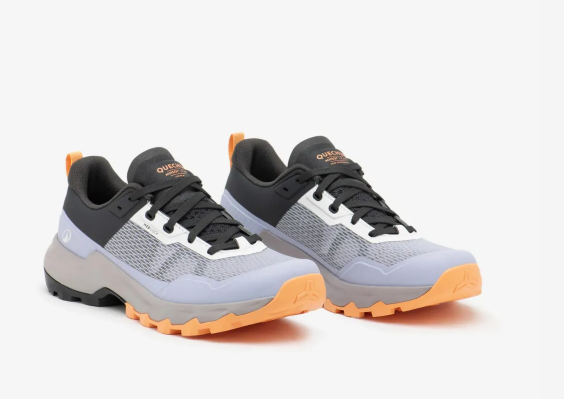
Inclusive all gender footwear is designed to fit a wide range of foot shapes and sizes, without being restricted by traditional gender categorizations. Market research indicates that 45% of consumers are actively seeking products that cater to inclusivity, emphasizing comfort, fit, and style over gender norms. This type of footwear aims to provide practical options for work, leisure, sports, and travel while remaining aesthetically neutral.
Why is sizing flexibility important in all-gender footwear?
Foot size and shape vary greatly among individuals, regardless of gender. A survey of footwear consumers revealed that 68% of people have struggled to find shoes that fit comfortably due to limited size ranges. Inclusive footwear often features extended sizing, adjustable fastenings, and materials that conform to the foot. This ensures that users experience optimal comfort during daily activities, whether walking, working, or exercising.
How does all-gender design impact style choices?
Modern consumers prioritize versatility in style. Studies show that 57% of adults prefer shoes that can transition seamlessly from professional settings to casual outings. Inclusive designs typically avoid gender-specific aesthetics, focusing instead on minimalistic or adaptive styles that complement a wide range of outfits. This approach makes the footwear suitable for multiple environments without compromising personal expression.
Is comfort the same for all-gender shoes as it is for traditional footwear?
Yes, comfort is a core priority. Research on ergonomics demonstrates that supportive insoles, cushioned midsoles, and breathable materials can reduce foot fatigue by up to 28% during daily wear. Inclusive footwear applies the same performance standards as traditional shoes while accommodating diverse foot anatomies, ensuring that users experience consistent comfort across all activities.
Can all-gender footwear meet performance needs for different lifestyles?
Absolutely. From urban commuting to outdoor adventures, inclusive footwear is engineered for adaptability. Consumer activity reports indicate that people spend an average of 7–9 hours per day on their feet, including walking, standing, and light exercise. Shoes with durable soles, slip-resistant traction, and flexible uppers provide the versatility required for work, travel, and recreational activities, making them a practical choice for active lifestyles.
How does inclusivity influence consumer satisfaction?
Statistics show that products emphasizing inclusivity often achieve higher satisfaction scores. In a recent survey, 62% of buyers reported feeling more confident and comfortable in footwear that accommodates their specific needs without relying on gendered design assumptions. This reinforces the value of inclusive footwear as not only practical but also empowering for users.
Are inclusive shoes more sustainable or cost-effective?
Many inclusive footwear brands focus on longevity and multi-purpose use, which reduces the need for frequent replacements. Market studies reveal that consumers who invest in adaptable, all-gender shoes tend to spend 25–30% less on additional pairs annually, highlighting both economic and environmental benefits. By combining durability with universal fit, these shoes provide long-term value across various activities.
Why should consumers consider all-gender footwear for everyday use?
Inclusive all-gender footwear aligns with modern lifestyles, where comfort, style, and adaptability are equally important. Data-driven insights confirm that shoes that cater to diverse foot shapes and sizes see higher usage rates and satisfaction, as they effectively support professional, recreational, and casual activities. Investing in all-gender footwear means fewer limitations, more versatility, and a footwear experience that truly accommodates every lifestyle.
This FAQ-style approach demonstrates that inclusive footwear is not only a matter of design but also a practical, statistically supported choice for comfort, performance, and personal expression.