Modern homes in Ventilation Växjö are increasingly incorporating smart technology to enhance comfort, energy efficiency, and indoor air quality. Smart ventilation systems are at the forefront of this trend, offering automated control, improved airflow, and reduced energy costs. This FAQ-style guide explains key considerations for homeowners interested in these advanced solutions.
1. What is a smart ventilation system?
A smart ventilation system uses sensors, automated controls, and connectivity to optimize airflow, regulate humidity, and maintain indoor air quality. Unlike traditional systems, smart units adjust in real-time to changing conditions, such as occupancy, temperature, and outdoor air quality, ensuring efficiency and comfort. Recent surveys suggest that over 40% of newly built smart homes in Växjö now feature automated ventilation systems.
2. How do smart systems improve indoor air quality?
Smart ventilation systems continuously monitor air quality, removing pollutants, excess humidity, and allergens from indoor spaces. By responding automatically to indoor conditions, they maintain consistent airflow and reduce the risk of mold and condensation. Homes with these systems report noticeable improvements in air freshness and overall comfort.
3. What are the main types of smart ventilation systems?
Popular options for modern homes include:
• Smart Mechanical Extract Ventilation (MEV): Removes stale air from kitchens and bathrooms, adjusting operation based on usage.
• Smart Mechanical Supply and Extract Ventilation (MSEV) with Heat Recovery: Supplies fresh air and recovers heat from outgoing air to reduce energy costs.
• Hybrid Smart Systems: Combine natural ventilation with automated mechanical support to optimize airflow under varying weather conditions.
Data from recent studies indicates that homes with heat recovery smart systems can save up to 30% on heating energy compared to conventional units.
4. How are these systems controlled?
Smart ventilation systems can be managed through smartphone apps, wall-mounted panels, or integrated home automation systems. Homeowners can set schedules, monitor air quality, and receive maintenance alerts, allowing convenient, efficient operation.
5. What are the benefits of smart ventilation systems?
Key advantages include:
• Improved indoor air quality and comfort
• Energy efficiency and reduced utility costs
• Automated operation with minimal user intervention
• Personalized airflow and humidity control
• Long-term cost savings due to optimized system performance
6. Are smart ventilation systems suitable for all homes?
Yes. Whether in compact apartments or larger family homes, smart ventilation solutions can be customized for size, layout, and lifestyle needs. Professional installation ensures optimal performance and integration with other smart home devices.
Conclusion:
Smart ventilation systems in Växjö combine technology, comfort, and energy efficiency to create healthier living spaces. By investing in modern, automated solutions, homeowners can enjoy cleaner air, lower energy costs, and a more comfortable indoor environment year-round.
Smart Ventilation Systems for Modern Växjö Homes
Categories:
Related Post
Stream SuperSport, Showmax, and More in 4K – SafriStream’s IPTV Subscription Has It AllStream SuperSport, Showmax, and More in 4K – SafriStream’s IPTV Subscription Has It All
What makes SafriStream’s IPTV subscription the best for streaming in 4K? With SafriStream’s iptv subscription, you can stream premium channels like SuperSport, Showmax, and much more in stunning 4K resolution.
The Top Sports Covered on the Ufabet Direct WebsiteThe Top Sports Covered on the Ufabet Direct Website
Playing on-line is often the two exciting in addition to lucrative if carried out right. For people using the ufabet direct website (ufabet เว็บตรง), acquiring a method can make all
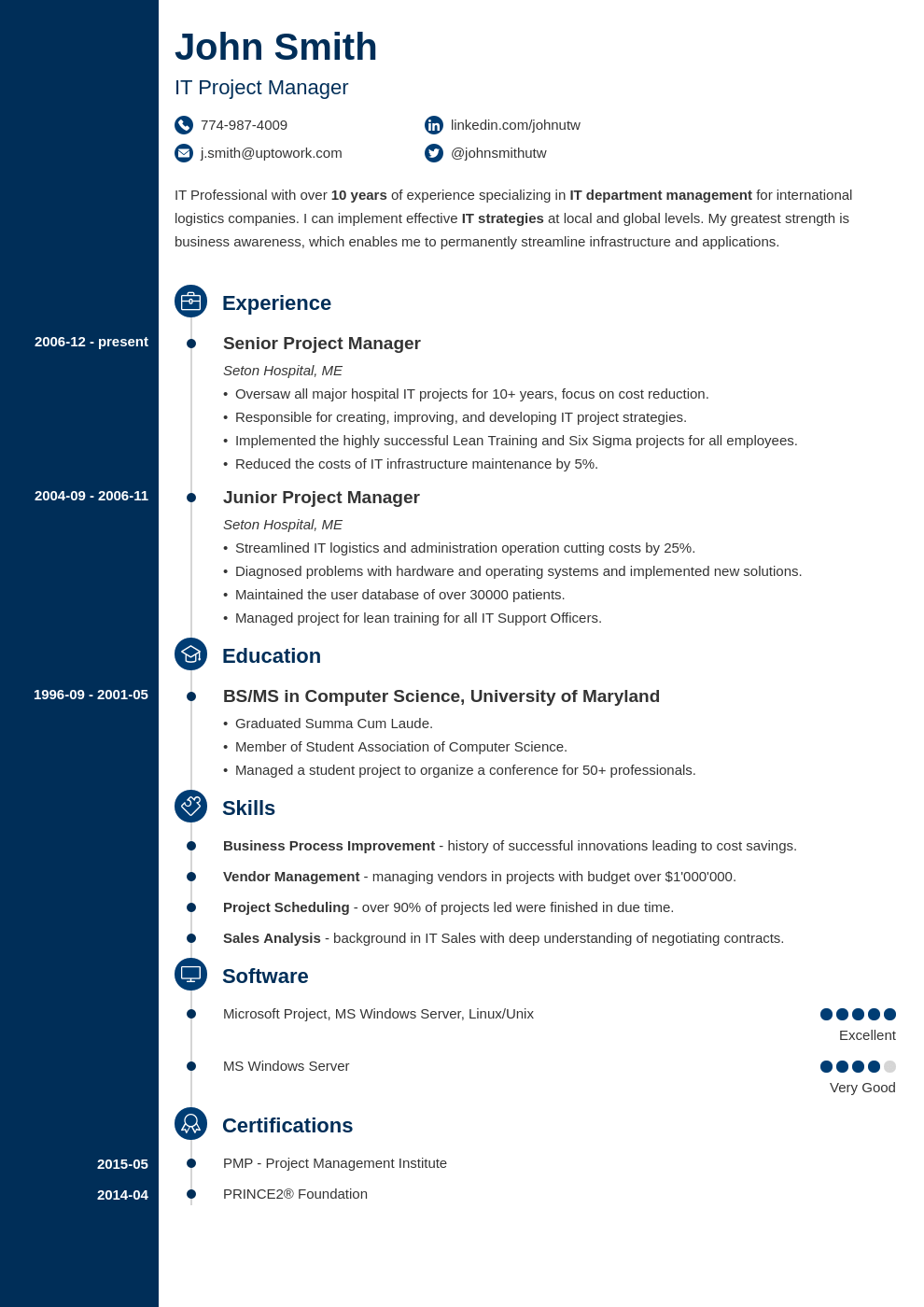
Show Off The Real You With A Resume TemplateShow Off The Real You With A Resume Template
Resume fabricated imaginatively, totally, and convincingly passes on the message of one’s individuality, both the gifts and abilities you have, and how easy you can be a useful resource for